
 EXPLORE
Discovering Argentina: The Ultimate Travel Guide to South America’s Masterpiece
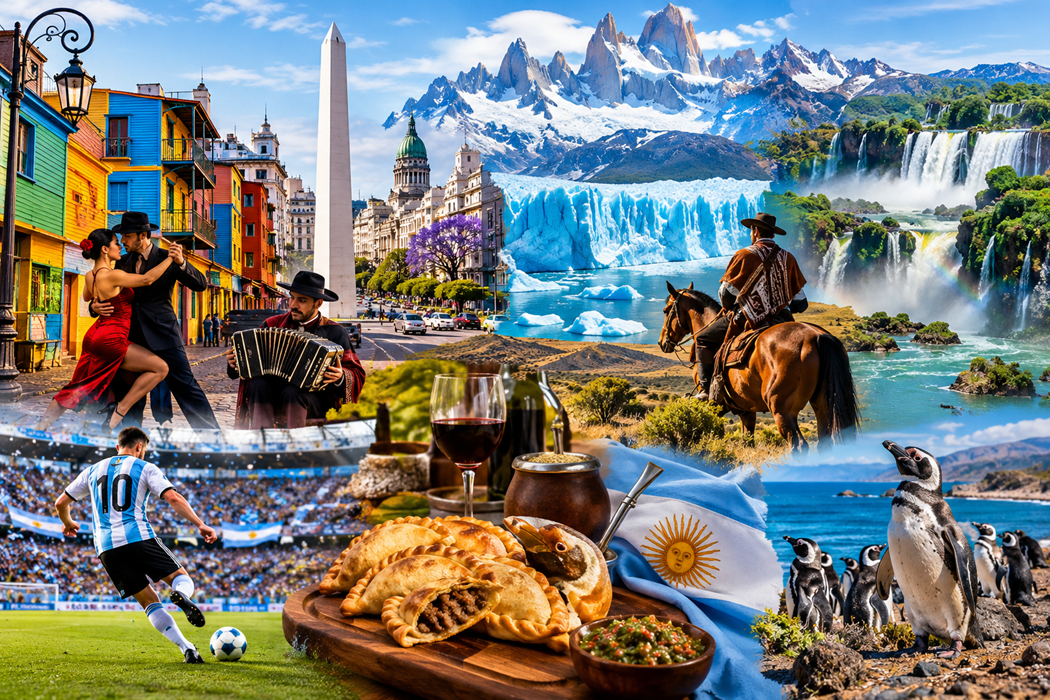
Stretching from the tropical, jungle-clad borders of Brazil down to the frozen, windswept shores of Tierra del Fuego, Argentina is a country of staggering scale and heartbreaking beauty. It is a destination that defies simple categorization. For the intrepid traveler, a journey to Argentina offers an unparalleled masterclass in geographical diversity, rich cultural heritage, and gastronomic brilliance. Whether you are seeking the urban sophistication of a sprawling metropolis, the silent majesty of an advancing glacier, or the warmth of a sun-drenched vineyard nestled in the foothills of the Andes, an Argentina vacation promises memories that will linger long after you have boarded your flight home. This comprehensive Argentina travel guide explores the famous places, major cities, culinary treasures, and vibrant culture that make this South American powerhouse an absolute must-visit.
Buenos Aires: The Paris of South America
No visit to Argentina is complete without losing yourself in the intoxicating rhythm of its capital city, Buenos Aires. Often referred to as the Paris of South America, this sprawling metropolis is a study in contrasts, where faded European grandeur meets raw Latin American passion. The city’s architecture is a mesmerizing blend of French and Italian influences, evident in the sweeping boulevards, ornate theaters like the world-renowned Teatro Colón, and the historic cafes that have hosted poets, politicians, and philosophers for over a century.
To truly understand Buenos Aires, you must explore its distinct barrios (neighborhoods). Walk through the cobblestone streets of San Telmo on a Sunday, where antique markets spill onto the sidewalks and impromptu tango performances captivate crowds. Head to La Boca, the city’s most colorful neighborhood, where the vibrant, corrugated iron houses of the Caminito celebrate the area’s working-class, immigrant roots. Here, football is not just a sport but a religion, and the towering La Bombonera stadium stands as a temple to the beloved Boca Juniors. For a taste of modern luxury, the revitalized docklands of Puerto Madero offer sleek restaurants and riverside promenades, while the aristocratic enclave of Recoleta houses elegant boutiques and the famous Recoleta Cemetery, the final resting place of Eva Perón.
The Wonders of Patagonia: At the Edge of the World
Leaving the urban sprawl behind, travelers heading south will encounter one of the planet’s last great wildernesses: Patagonia. This vast, sparsely populated region is a Mecca for outdoor enthusiasts, hikers, and nature lovers seeking dramatic landscapes and pure isolation. Argentine Patagonia is defined by its sweeping steppes, turquoise glacial lakes, and the jagged, snow-capped peaks of the Andes Mountains.
The crown jewel of the region is undeniably Los Glaciares National Park, a UNESCO World Heritage site. Here, the legendary Perito Moreno Glacier commands attention. Unlike most glaciers worldwide, Perito Moreno is actively advancing, creating a thunderous spectacle as massive chunks of ice calve from its towering 200-foot face and crash into the frigid waters of Lake Argentino below. Further south, the trekking capital of El Chaltén offers legendary trails winding around the iconic spire of Mount Fitz Roy. At the very tip of the continent lies Ushuaia. Known affectionately as the « End of the World, » this remote port city serves as the gateway to Antarctica and offers stunning boat tours through the Beagle Channel, where you can spot penguins, sea lions, and cormorants in their natural, icy habitat.
Iguazu Falls: Nature’s Unbridled Roar
If Patagonia is defined by ice and wind, the northeastern corner of Argentina is ruled by water and jungle. Straddling the border between Argentina and Brazil, Iguazu Falls is widely considered one of the most awe-inspiring natural wonders on Earth. Comprising a spectacular system of 275 individual cascades plunging over a massive horseshoe-shaped cliff, Iguazu makes Niagara look like a modest kitchen faucet.
The Argentine side of the falls offers the most immersive experience, featuring an extensive network of metal walkways that allow visitors to wander directly over the rushing water and deep into the surrounding subtropical rainforest. The climax of any visit to Iguazu is the approach to the Garganta del Diablo (The Devil’s Throat). Here, the river collapses into a narrow, U-shaped chasm with such ferocity that the resulting spray creates perpetual rainbows and a roar that vibrates in your chest. The surrounding national park is a biodiversity hotspot, teeming with exotic wildlife including toucans, howler monkeys, coaties, and elusive jaguars.
Mendoza and the Wine Routes: A Taste of the Andes
For those who travel through their palate, the province of Mendoza in western Argentina is nothing short of paradise. Nestled in the eastern foothills of the Andes Mountains, this sun-drenched, high-altitude oasis produces over 70% of the country’s wine. It is here that the Malbec grape—originally from France—found its ultimate expression, producing deep, robust red wines with notes of dark fruit, cocoa, and spice that have achieved global acclaim.
Wine tourism in Mendoza is highly developed and elegantly executed. Visitors can cycle or hire a private driver to hop between bodegas (wineries) in the prime growing regions of Luján de Cuyo and the Uco Valley. These estates range from historic, family-run operations with centuries-old cellars to cutting-edge, architecturally stunning modern facilities. Many bodegas offer exquisite multi-course tasting menus, perfectly pairing their reserve vintages with local ingredients while offering panoramic views of the snow-capped Andean peaks framing the vineyards.
The Culinary Delights of Argentina: Fire and Meat
The Argentine culinary landscape is heavily defined by a deep-rooted love for beef, cooking over an open flame, and Italian heritage. The quintessential dining experience is the Asado, a traditional Argentine barbecue that is as much a social ritual as it is a meal. Families and friends gather for hours on weekends while a parrillero (grill master) expertly tends to a massive grill loaded with various cuts of beef, chorizo, morcilla (blood sausage), and provolone cheese.
The meat is typically seasoned with nothing but coarse salt to let the high quality of the grass-fed beef shine, though it is generously accompanied by chimichurri—a vibrant sauce of parsley, garlic, oregano, olive oil, and vinegar. Beyond the grill, Italian immigration in the late 19th and early 20th centuries left a massive culinary footprint. Exceptional pizza and handmade pasta are ubiquitous across the country. For a quick snack, nothing beats an empanada, a baked or fried pastry stuffed with seasoned ground beef, chicken, or cheese. To satisfy a sweet tooth, Argentines turn to dulce de leche, a rich, decadent caramel milk spread used to fill everything from breakfast pastries to alfajores (shortbread cookie sandwiches).
The Gaucho Spirit and Argentine Culture
To truly experience Argentine culture, you must look beyond the cities and understand the legacy of the Gaucho. Similar to the American cowboy, the gaucho is a symbol of rugged individualism, deeply tied to the fertile plains of the Pampas region. Even today, on traditional estancias (ranches) just a few hours outside of Buenos Aires, you can witness gauchos demonstrating their incredible horsemanship, preserving a way of life that has existed for centuries.
Culturally, Argentina operates on a different clock. Dinner is rarely served before 9:00 PM, and it is common for restaurants to be packed well past midnight. The nightlife, whether you are attending a theatrical tango show or a pulsating nightclub, stretches until dawn. The tango itself, born in the working-class brothels of Buenos Aires, embodies the soul of the country: melancholic, deeply passionate, and fiercely proud.
Practical Travel Tips for Your Argentine Adventure
When planning a trip to Argentina, timing is essential due to the country’s vast size. The best time to visit Patagonia is during the Southern Hemisphere’s summer (November to March) when the weather is mild and hiking trails are clear. Conversely, Iguazu Falls and the northern deserts of Salta are excellent year-round destinations, though they can be exceptionally hot and humid in January and February. Spring (September to November) and autumn (March to May) offer beautiful weather for exploring Buenos Aires and the wine regions of Mendoza.
Internal flights are almost mandatory if you wish to see multiple regions, as bus journeys between major destinations can take upwards of 24 hours. The local currency is the Argentine Peso, and it is highly recommended to research the current economic situation and exchange rates (specifically the « blue market » rate) before arriving to maximize your budget.
From the thunderous falls of the jungle to the quiet, icy expanses of the southern pole, Argentina rewards travelers with an intensity of experience that is difficult to match anywhere else in the world. It is a country that invites you to slow down, savor a perfectly cooked steak, share a gourd of yerba mate with a stranger, and lose yourself in the breathtaking landscapes of South America’s most captivating destination.

 EXPLORE

 EXPLORE
 EXPLORE
 EXPLORE