
 EXPLORE
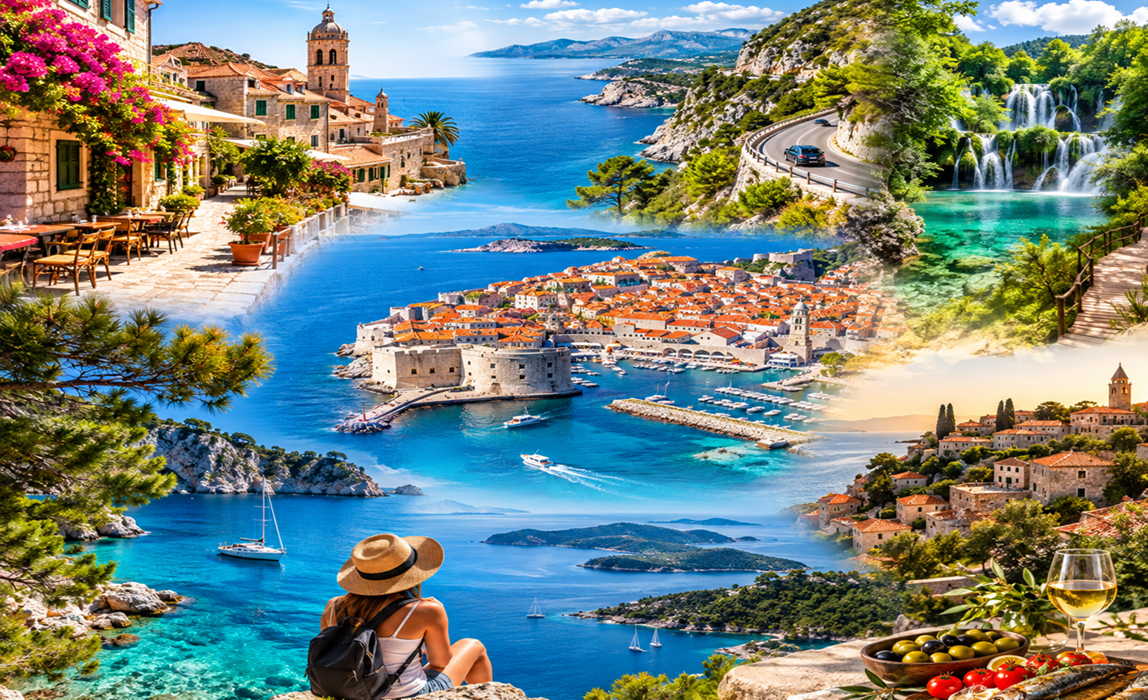
Croatia has established itself as one of Europe’s most dynamic and sought-after travel destinations. Situated at the crossroads of Central Europe, the Balkans, and the Mediterranean, this Adriatic nation offers a rare blend of pristine nature, well-preserved medieval architecture, and rich history. From the ancient Roman ruins of Dalmatia to the terraced lakes of the interior, Croatia provides a diverse landscape for culture seekers, outdoor enthusiasts, and coastal travelers alike.
Understanding Croatia’s historical background, key destinations, and evolving tourism landscape is essential for planning a well-rounded trip. This guide explores the historical context, top destinations, and economic dynamics driving Croatia’s steady rise as a global travel hub.
The Historical Evolution of the Adriatic Realm
To fully appreciate Croatia’s modern culture, one must understand its complex historical trajectory. The region’s coastline and fertile plains have been contested and inhabited by major civilizations for millennia.
Ancient and Roman Roots
The region was initially inhabited by Illyrian tribes before Greek sailors established colonies along the Adriatic coast, such as Issa (Vis) and Pharos (Hvar). By the first century BCE, the Roman Empire extended its rule over the area, incorporating it into the provinces of Illyricum and Dalmatia.
Roman infrastructure remains central to Croatia’s identity today. The most notable testament to this era is Diocletian’s Palace in Split, constructed at the turn of the fourth century CE as a retirement residence for the Roman Emperor. Additionally, the Pula Arena in Istria stands as one of the six largest surviving Roman amphitheatres in the world.
Venetian, Slavic, and Habsburg Eras
Following the fall of the Western Roman Empire, Slavic tribes settled in the region during the seventh century, establishing an independent Kingdom of Croatia by 925 CE under King Tomislav.
In subsequent centuries, foreign powers exerted control over different parts of the region:
- The Republic of Venice dominated coastal Dalmatia from the 15th to the late 18th century, shaping the maritime architecture, defensive walls, and urban layouts of cities like Dubrovnik, Zadar, and Šibenik.
- The Habsburg Monarchy (later Austria-Hungary) ruled northern Croatia and parts of the coast, leaving a Central European architectural legacy in Zagreb and Slavonia, as well as developing early coastal resorts like Opatija in the 19th century.
- The Republic of Ragusa (Dubrovnik) maintained its status as a prosperous, independent maritime republic for centuries, competing directly with Venice through diplomacy and trade until the Napoleonic era.
Modern History and EU Integration
Throughout the 20th century, Croatia was part of the Kingdom of Yugoslavia and later the Socialist Federal Republic of Yugoslavia. Following its declaration of independence in 1991 and the subsequent Homeland War, Croatia successfully rebuilt its infrastructure and economy.
Today, Croatia is a member of the European Union, the Schengen Area, and the Eurozone—milestones that have significantly streamlined international travel and boosted economic development across the country.
Top Destinations in Croatia
Croatia’s geographical variety allows travelers to experience distinct regions, each offering unique attractions, local cuisine, and historical landmarks.
1. Dubrovnik: The Pearl of the Adriatic
Located in the far south of Dalmatia, Dubrovnik is renowned for its intact 16th-century stone walls, which enclose a UNESCO-protected Old Town.
- Key Highlights: A walk along the City Walls offers elevated views of the limestone-paved Stradun (main thoroughfare) and the Adriatic Sea. Historical sites inside the walls include the Rector’s Palace, the Franciscan Monastery (home to one of the world’s oldest operating pharmacies), and Lovrijenac Fortress.
- Travel Tip: Visit during early morning or late afternoon to explore the Old Town comfortably, particularly during peak summer months.
2. Split and the Central Dalmatian Islands
Split is Croatia’s second-largest city and the primary transport hub for the Dalmatian coast.
- Diocletian’s Palace: Unlike traditional static monuments, Diocletian’s Palace forms the living center of Split, housing shops, residential apartments, restaurants, and subterranean cellars.
- Hvar and Brač: Regular ferry connections link Split to surrounding islands. Hvar is celebrated for its lavender fields, Venetian fortress, and vibrant harbor, while Brač is famous for the distinctive Zlatni Rat (Golden Horn) beach near Bol and its white limestone quarries, which supplied stone for Diocletian’s Palace.
- Vis: Further offshore, Vis offers a quieter, preserved environment due to its historical status as a closed military base until 1989.
3. Istria: Gastronomy and Coastal Charm
The heart-shaped peninsula of Istria in northwestern Croatia shares strong cultural and culinary ties with neighboring Italy.
- Coastal Towns: Rovinj stands out with its pastel-colored houses rising directly from the sea toward the Church of St. Euphemia. Pula showcases its grand Roman amphitheatre, while Poreč is home to the Euphrasian Basilica, famous for its Byzantine mosaics.
- Inland Istria: The interior features hilltop medieval towns such as Motovun and Grožnjan, surrounded by vineyards producing Malvazija white wine and dense forests famous for black and white truffle hunting.
4. Zagreb: The Cultural Capital
Croatia’s capital, Zagreb, offers a Central European ambiance characterized by Austro-Hungarian architecture, wide avenues, and expansive parks.
- Upper Town (Gornji Grad): The historical core features St. Mark’s Church with its distinctive tiled roof, the Lotrščak Tower, and the Zagreb Cathedral.
- Cultural Scene: Zagreb houses numerous museums, including the Museum of Broken Relationships, the Mimara Museum, and the Art Pavilion. The city’s café culture centers around the pedestrian streets surrounding Ban Jelačić Square and Tkalčićeva Street.
5. Plitvice Lakes and Krka National Parks
Croatia’s natural interior provides a stark contrast to its coastal regions.
- Plitvice Lakes National Park: A UNESCO World Heritage site consisting of 16 terraced lakes connected by a series of waterfalls and limestone canyons. Wooden walkways allow visitors to navigate the turquoise waters without disturbing the delicate travertine formations.
- Krka National Park: Located in Dalmatia, Krka is known for the Skradinski Buk cascades, historic monasteries, and boat routes leading toward the Visovac Islet.
Sustainable Tourism Growth and Economic Impact
Over the past two decades, Croatia’s tourism sector has expanded rapidly, evolving from a regional getaway into an international travel destination. Tourism now represents a vital pillar of the national economy, contributing approximately 20% to the country’s Gross Domestic Product (GDP).
Infrastructure and Accessibility Improvements
Several strategic developments have facilitated Croatia’s tourism expansion:
- The Pelješac Bridge: Opened in 2022, this major infrastructure project directly connects the Dubrovnik exclave with the rest of mainland Croatia, bypassing the Neum corridor in Bosnia and Herzegovina and simplifying road transit.
- Schengen and Eurozone Entry: In January 2023, Croatia adopted the Euro and joined the Schengen Area. These steps eliminated border controls for millions of European visitors and removed currency exchange friction, significantly improving travel logistics.
- Airport Expansion: Modernized terminals in Zagreb, Split, Dubrovnik, and Zadar have expanded direct air routes connecting Croatia with major European and transatlantic markets.
Managing Seasonal Demand and Sustainability
The rapid growth of visitors has prompted national and regional authorities to implement strategies aimed at sustainable tourism management:
- De-seasonalization Efforts: Tourism boards actively promote shoulder-season travel (spring and autumn) through cultural festivals, wine and olive oil routes, and outdoor activities like cycling, hiking, and sailing.
- Visitor Flow Control: Destinations like Dubrovnik have implemented digital management systems, cruise ship scheduling limits, and tourist caps to protect UNESCO sites and improve the overall visitor experience.
- Eco-Friendly Initiatives: Increased emphasis is placed on preserving marine environments, promoting agro-tourism in rural regions, and supporting green energy initiatives within the hospitality sector.
Practical Information for Travelers
To optimize a trip to Croatia, consider these essential logistics:
Best Time to Visit
- Peak Season (July – August): High temperatures, vibrant nightlife, and busy beaches. Ideal for swimming and island hopping.
- Shoulder Season (May – June & September – October): Warm weather, fewer crowds, lower accommodation prices, and excellent conditions for sightseeing and outdoor sports.
- Off-Peak Season (November – April): Quiet coastal towns, ideal for exploring Zagreb’s Christmas markets, cultural museums, and national parks in winter conditions.
Transport and Mobility
- Ferries: State-owned Jadrolinija and private catamaran operators connect mainland ports (Split, Dubrovnik, Zadar) to outer islands. Booking tickets in advance is recommended during summer.
- Driving: Croatia features a modern highway system (Autocesta) linking Zagreb to Split and Rijeka. Driving along the coastal road (Jadranska Magistrala) offers scenic views but requires careful attention on winding stretches.
- Public Buses: An extensive intercity bus network connects major urban centers and smaller towns efficiently.
Currency and Language
- Currency: Euro (€).
- Language: Croatian. English is widely spoken in tourist regions, hotel environments, and restaurants. German and Italian are also common along the Istrian peninsula and northern coast.
Strategic Summary of Travel Regions
- Southern Dalmatia: Ideal for historic architecture, coastal vistas, and high-profile landmarks (Dubrovnik, Korčula).
- Central Dalmatia: Perfect for island hopping, Roman heritage, and transport connectivity (Split, Hvar, Brač, Vis).
- Istria and Kvarner: Best for gastronomy, wine tasting, Italian-influenced coastal towns, and Roman archaeology (Rovinj, Pula, Opatija).
- Continental Croatia: Focussed on urban culture, Austro-Hungarian history, and natural reserves (Zagreb, Plitvice Lakes, Slavonia).
Croatia continues to strike a balance between preserving its heritage and modernizing its travel offerings. By planning trips with regional characteristics and seasonal timing in mind, travelers can fully experience the historical depth, natural diversity, and hospitality that define the country today.


 EXPLORE
 EXPLORE
 EXPLORE
 EXPLORE