
 EXPLORE
Discovering the United Kingdom: A Comprehensive Travel Guide to History, Monarchy, Culture, and Iconic Landscapes
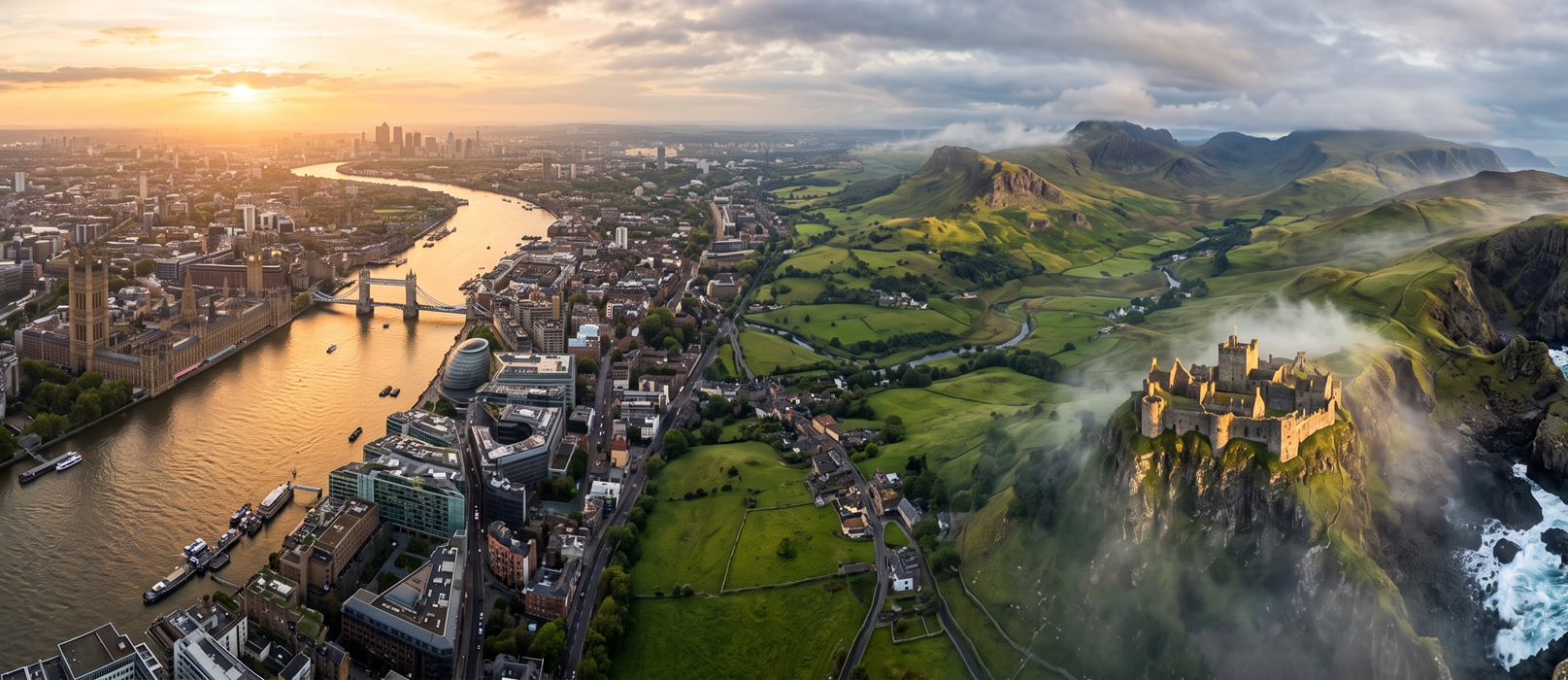
The United Kingdom is an island nation packed with centuries of dramatic history, breathtaking scenery, royal grandeur, and world-shaping cultural achievements. Comprising four distinct countries—England, Scotland, Wales, and Northern Ireland—this diverse sovereign state offers travellers an unforgettable blend of ancient heritage and modern innovation. Whether walking through historic cobblestone lanes, touring grand royal residences, hiking across rugged national parks, or enjoying traditional comfort food in a cozy pub, visitors encounter a compelling tapestry of experiences around every bend.
This travel guide delves into the core aspects that define the United Kingdom, exploring its captivating past, royal institutions, premier destinations, culinary classics, and unique customs.
A Journey Through Time: Understanding British History
The story of the United Kingdom spans thousands of years, leaving behind physical footprints that can still be explored today. From prehistoric monuments to world-changing industrial advances, history is etched into every city, town, and rural county across the realm.
Prehistoric Roots and Ancient Civilisations
Long before modern borders were drawn, ancient peoples inhabited the British Isles. The most famous symbol of this distant era is Stonehenge in Wiltshire, England, a massive stone circle constructed over 4,500 years ago. Throughout the countryside, prehistoric hill forts, burial mounds, and megaliths stand as silent witnesses to Neolithic and Bronze Age societies.
During the first century AD, the Roman Empire invaded Britain, establishing urban settlements such as Londinium (modern London) and Aquae Sulis (Bath). The Romans left behind remarkable architecture, including Hadrian’s Wall—a formidable stone barrier built across Northern England to keep out northern tribes—and splendid thermal baths that remain major visitor draws today.
Medieval Wars and the Shaping of Nations
Following the collapse of Roman rule, Anglo-Saxon kingdoms emerged, only to face centuries of Viking raids and eventual invasion. The year 1066 marked a pivotal turning point when William the Conqueror led the Norman conquest of England. This era triggered a castle-building boom across Britain to enforce royal authority. Fortress strongholds such as the Tower of London, Windsor Castle, and Warwick Castle were established during this dynamic period.
In Scotland and Wales, medieval history was forged through fierce struggles for independence. Magnificent fortresses like Caernarfon Castle in Wales and Stirling Castle in Scotland served as strategic strongholds during centuries of conflict, shaping regional identities that remain strong to this day.
The Industrial Age and Modern Era
The 18th and 19th centuries saw Britain become the birthplace of the Industrial Revolution. Innovations in steam power, textile manufacturing, and railway engineering transformed cities like Manchester, Birmingham, Glasgow, and Belfast into global industrial powerhouses. The expansion of the British Empire further connected the nation to global trade, science, and literature.
Today, visitors can trace this industrial heritage at UNESCO World Heritage sites, converted docklands, and world-class industrial museums that tell the story of Britain’s profound global impact.
The Royal Legacy: Exploring British Monarchy
The British monarchy is one of the most famous and enduring institutions in the world. Playing a vital ceremonial role in national identity, the Crown attracts millions of visitors eager to experience its pomp, pageantry, and impressive architectural heritage.
Iconic Royal Residences
A trip to the United Kingdom offers rare access to historic palaces and grand estates that continue to host state functions and royal occasions.
- Buckingham Palace (London): The official London administrative headquarters of the monarch. During summer months, visitors can tour the opulent State Rooms filled with treasures from the Royal Collection. The daily Changing of the Guard ceremony outside the gates remains a quintessential spectacle.
- Windsor Castle (Berkshire): Located just outside London, Windsor is the oldest and largest occupied castle in the world, having served as a royal residence for over 900 years. St George’s Chapel within the castle grounds is the burial place of numerous monarchs and a masterpiece of Gothic architecture.
- Palace of Holyroodhouse (Edinburgh): Situated at the end of Edinburgh’s Royal Mile, this palace serves as the monarch’s official Scottish residence. It holds rich historical connections to Mary, Queen of Scots.
- Balmoral Castle and Sandringham House: Private estates in the Scottish Highlands and Norfolk respectively, offering public access to select grounds, gardens, and exhibitions during specific months.
Royal Traditions and Public Ceremonies
Royal ceremonial traditions provide a vivid glimpse into living history. Events such as Trooping the Colour (the official birthday parade of the monarch), State Openings of Parliament, and royal jubilees bring colorful parades, horse-drawn carriages, and military bands to the streets of London. Attending these gatherings or simply visiting the Royal Mews and Crown Jewels at the Tower of London provides deep insights into British state tradition.
Famous Landmarks and Must-Visit Destinations
Each of the UK’s four constituent nations boasts unique landscapes, bustling metropolitan centers, and picturesque rural regions.
England: Historic Cities and Scenic Countrysides
England offers a rich mix of urban energy and serene countryside.
- London: The nation’s capital features iconic sights including Big Ben, the Houses of Parliament, Westminster Abbey, the London Eye, and the British Museum. Neighborhoods like Soho, Covent Garden, and Kensington showcase international arts, West End theater, and world-class shopping.
- The Cotswolds: Famous for honey-colored stone villages, rolling green hills, and quiet country lanes, this region represents classic English rural charm.
- Oxford and Cambridge: World-renowned university towns celebrated for their stunning Gothic architecture, tranquil rivers suitable for punting, and centuries-old libraries.
- The Lake District: A national park in Cumbria known for dramatic lakes, rugged fells, and literary connections to William Wordsworth and Beatrix Potter.
Scotland: Dramatic Highlands and Historic Cities
Scotland captivates travellers with rugged scenery, romantic castles, and distinct cultural heritage.
- Edinburgh: The Scottish capital blends a medieval Old Town with an elegant Georgian New Town. Edinburgh Castle dominates the skyline from atop an extinct volcano, while the annual Edinburgh Festival Fringe draws artists from across the globe.
- Glasgow: Scotland’s largest city is famous for Victorian architecture, live music venues, striking art museums, and warm local hospitality.
- The Scottish Highlands and Isle of Skye: Majestic mountain ranges, deep lochs (including Loch Ness), and sea cliffs define this wild region, perfect for road trips and outdoor adventure.
Wales: Castles and Coastal Wilderness
Wales is celebrated for its dramatic coastline, Celtic linguistic roots, and high concentration of medieval castles per square mile.
- Snowdonia National Park (Eryri): Home to Wales’s highest peak, Mount Snowdon, offering exceptional hiking trails, mountain railways, and slate mining heritage.
- Pembrokeshire Coast: A breathtaking coastal stretch featuring sea cliffs, hidden beaches, and abundant marine wildlife like seals and puffins.
- Conwy and Caernarfon Castles: Magnificent 13th-century fortresses built along the North Wales coast that showcase exceptional medieval military architecture.
Northern Ireland: Natural Wonders and Cultural Heritage
Northern Ireland offers remarkable geological features alongside rich maritime and cultural history.
- Giant’s Causeway: A UNESCO World Heritage site featuring around 40 000 interlocking basalt columns created by ancient volcanic activity (or, according to legend, built by the giant Finn MacCool).
- Belfast: The capital city features the impressive Titanic Belfast visitor experience, situated in the shipyard where the ill-fated ocean liner was built. The city is also renowned for vibrant music scenes and historic street art murals.
- The Antrim Coast Road: One of the most scenic coastal driving routes in Western Europe, featuring dramatic sea views, historic ruins, and lush glens.
British Culinary Delights: Classic Comfort Food and Regional Specialties
British cuisine has undergone a remarkable transformation, blending traditional hearty recipes with contemporary international influences. The emphasis remains on quality regional ingredients, seasonal produce, and comforting classics.
Traditional Main Dishes
- Sunday Roast: A deeply cherished tradition where roast beef, lamb, pork, or chicken is served alongside crispy roast potatoes, seasonal vegetables, rich gravy, and Yorkshire pudding (a savory baked batter dish).
- Fish and Chips: Freshly battered fish (typically cod or haddock) served with thick-cut chips, mushy peas, and tartar sauce. Best enjoyed fresh at seaside coastal towns.
- Full Breakfast: A hearty morning meal featuring eggs, bacon, sausages, baked beans, grilled tomatoes, mushrooms, toast, and regional variations like black pudding in England or potato scones in Scotland.
- Shepherd’s Pie and Cottage Pie: Savory minced meat dishes cooked with onions and carrots, topped with a browned layer of mashed potatoes.
Regional Delights
- Haggis (Scotland): Scotland’s national dish, made from minced savory meat combined with oats, spices, and suet, traditionally served with « neeps and tatties » (turnips and potatoes).
- Welsh Rarebit (Wales): A flavorful dish of hot cheese sauce containing ale and mustard, served melted over toasted bread.
- Cornish Pasty (England): A baked pastry turnover filled with beef, potato, swede, and onion, originally created as a portable lunch for tin miners in Cornwall.
Tea Culture and Sweet Treats
No visit to the United Kingdom is complete without experiencing Afternoon Tea. This elegant ritual features freshly brewed black tea served in fine china alongside finger sandwiches, delicate cakes, and warm scones served with thick clotted cream and strawberry jam.
British Culture, Arts, and Local Traditions
The cultural landscape of the UK is vast, spanning centuries of literary genius, groundbreaking music, sporting passion, and distinct social customs.
Literature, Theater, and Music
Britain has produced some of the world’s most influential literary and musical icons. William Shakespeare revolutionized theater from London’s Globe Theatre, while authors like Jane Austen, Charles Dickens, Arthur Conan Doyle, and J.K. Rowling framed global storytelling.
In music, British artists have shaped global popular culture across decades—from The Beatles and The Rolling Stones to Queen, David Bowie, and contemporary global stars. Catching a West End musical in London or attending a live gig in Manchester or Glasgow provides direct connection to this creative energy.
Pub Culture and Social Life
The traditional British pub serves as the beating heart of local communities. More than just places to drink beer or cider, pubs are social gathering spots where friends catch up, play board games, participate in weekly pub quizzes, and relax beside open fireplaces. Ordering a pint at the bar counter is an essential cultural experience for any visitor.
Sporting Heritage
Sport is a passion across the UK. Football (soccer) holds a dominant place in daily culture, with the Premier League attracting global fanbases. Rugby, cricket, tennis (celebrated annually at Wimbledon), and golf (born on the links of Scotland) are deeply woven into the national fabric, offering thrilling spectating opportunities throughout the year.
Essential Travel Tips for Visiting the UK
Planning a journey across the United Kingdom is straightforward thanks to modern infrastructure and traveler-friendly facilities.
Getting Around
- Train Network: The national rail network connects major cities and scenic towns efficiently. Booking train tickets weeks in advance yields significant savings.
- Public Transit in Cities: London features an extensive Underground network (« The Tube ») and bus fleet easily accessible via contactless bank card or Oyster card.
- Car Rentals: Renting a vehicle is recommended for exploring remote regions like the Scottish Highlands, rural Wales, or Northern Ireland’s coastlines. Remember that driving is on the left side of the road.
Weather and Packing Advice
British weather is famously variable. Mild temperatures prevail year-round, but rain showers can occur in any season. Packing versatile layers, a comfortable pair of walking shoes, and a quality waterproof jacket ensures readiness for any weather conditions.
Currency and Payments
The official currency is the Pound Sterling (£). Northern Ireland and Scotland issue their own banknote designs, which are legal tender across the UK. Digital card payments and contactless options are accepted almost everywhere, reducing the need to carry large amounts of cash.
Experience the Spirit of the United Kingdom
From the historic castles of Scotland and Wales to the vibrant streets of London and Belfast, the United Kingdom offers an extraordinary journey for every traveler. By exploring its deep history, royal landmarks, rich culinary traditions, and scenic landscapes, visitors discover a country where age-old customs sit harmoniously alongside dynamic modern culture. Pack your bags and prepare to create lasting memories across these four remarkable nations.

 EXPLORE
 EXPLORE
 EXPLORE
 EXPLORE