
 EXPLORE
Under the Caribbean Sun: A Journey to the Heart of the Golden Age and Treasures of the Dominican Republic
The Dominican Republic immediately evokes postcard-perfect images: pristine white-sand beaches fringed with coconut palms, striking turquoise waters, and a laid-back way of life driven by the enchanting rhythms of merengue and bachata. But reducing this Antillean island to its resort complexes alone would mean missing out on one of the richest colonial histories in the New World. Between listed architectural vestiges, living traditions, exuberant nature, and generous culinary arts, this jewel of the Greater Antilles offers a mosaic of unforgettable experiences for any traveler in search of authenticity and wonder.
The Colonial Zone of Santo Domingo: A Time Travel in the Footsteps of Christopher Columbus
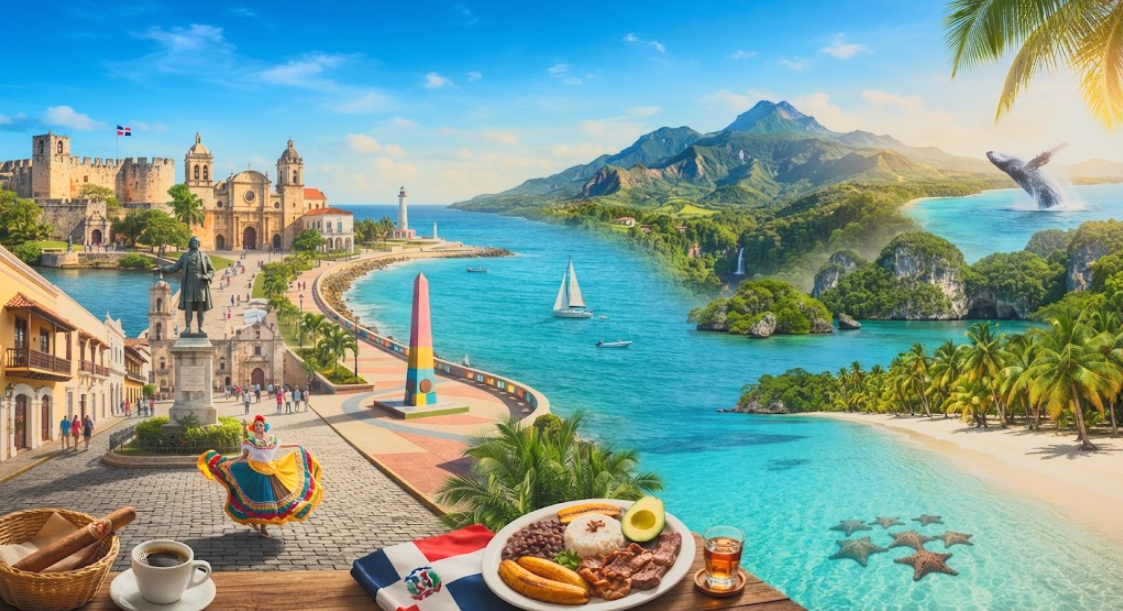
The beating heart of the capital, Santo Domingo, houses a globally recognized architectural gem. Inscribed as a UNESCO World Heritage site, the Colonial Zone (Ciudad Colonial) concentrates over five centuries of Hispanic-American history within a maze of coral-stone paved alleys.
The exploration naturally begins on the legendary Calle Las Damas, recognized as the very first street traced by Europeans in the New World starting in 1502. Lined with majestic palaces featuring Renaissance and Gothic facades, it bears witness to the splendor of the colonial era when noble ladies from María de Toledo’s court used to parade. This prestigious thoroughfare leads straight to the powerful Fortaleza Ozama, the oldest functional military fort in the Americas, which once watched over the mouth of the river.
A few steps away, Parque Colón stands as the city’s essential gathering point. Dominated by the bronze statue of Christopher Columbus, this lively square is guarded by the splendid Catedral Primada de América, the very first cathedral erected on the American continent, whose golden limestone architecture captivates sacred art enthusiasts. Further along, the capital’s seafront boulevard, the Malecón, is marked by the slender silhouettes of Santo Domingo’s famous obelisks, historical landmarks adorned with colorful memorial frescoes.
It is impossible to discuss the local heritage without mentioning the ancestral art of cigar-making. Although tobacco cultivation spans nationwide with renowned factories in the Santiago de los Caballeros region, the capital offers superb traditional workshops and lounges to discover the meticulous craftsmanship of torcedores who roll golden-brown leaves by hand.
Beyond the Capital: The Country’s Natural and Cultural Gems
While the capital captivates with its past, the rest of the territory reveals natural landscapes of spectacular diversity that appeal to all types of explorers.
- The Samaná Peninsula: Considered the island’s green Eden, this region alternates lush hills, endless coconut groves, and dramatic wild beaches in Las Terrenas or Las Galeras. Between January and March, Samaná Bay welcomes hundreds of humpback whales that come to reproduce, offering a grand spectacle.
- Los Haitises National Park: A true labyrinth of karst limestone hills covered by impenetrable jungle, this marine and terrestrial sanctuary harbors mysterious mangroves, caves adorned with Taino pictographs, and exceptional birdlife.
- Jarabacoa and the Central Cordillera: For lovers of mountain air and relief, the country’s mountainous heart contrasts with the coastline. Nicknamed the « city of eternal spring, » Jarabacoa is the ideal starting point for canyoning, whitewater rafting on turbulent rivers, and the ascent of Pico Duarte, the highest peak in the Antilles.
- Isla Saona: Accessible via catamarans or speedboats from the southeast, this protected island offers shallow natural pools with crystal-clear waters where giant starfish swim, all bordered by wild beaches lined with coconut palms.
Dominican Gastronomy: An Explosion of Creole Flavors
Local cuisine, the fruit of a cultural melting pot blending Taíno, Spanish, and African traditions, stands out for its generosity and warm spices. It constitutes an integral part of the country’s identity.
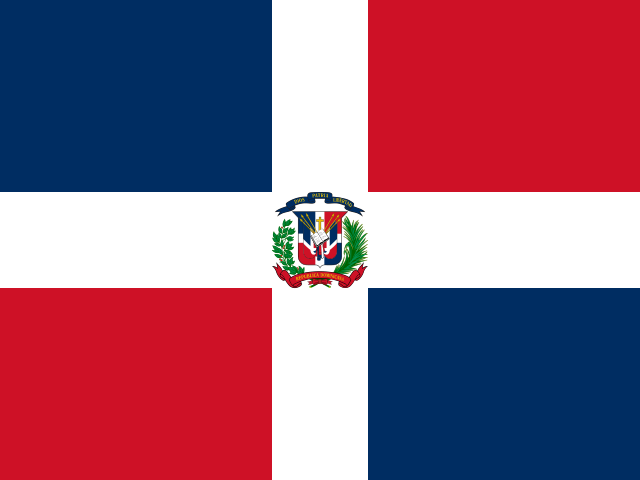
The national dish par excellence bears an evocative name: La Bandera Dominicana (the Dominican flag). This daily meal consists of white rice, stewed red beans, and meat (often beef or chicken) braised for a long time, traditionally accompanied by fresh avocado slices and fried plantain slices called tostones.
Upon waking, locals savor the famous Mangú, a smooth puree of green plantains delicately garnished with pickled red onions, usually served with fried cheese (queso frito) and local salami. For special occasions and family gatherings, Sancocho takes center stage: an extremely hearty stew blending up to seven different types of meats with various local tubers and vegetables. Finally, on the coast, pescado con coco (fresh fish coated in a smooth coconut milk and tomato sauce) celebrates the perfect encounter between seafood and tropical exoticism.
What to Do and How to Live the Adventure Daily?
Traveling in the Dominican Republic means adopting a swinging rhythm of life, guided by the communicative joy of its inhabitants.
Water sports and windsurfing enthusiasts will find their paradise in Cabarete, on the north coast, the undisputed capital of kitesurfing and windsurfing thanks to steady trade winds. Underwater exploration enthusiasts will discover the coral reefs of the La Caleta underwater national park or spectacular cenotes like the Indian Eyes (Los Tres Ojos) with their mysterious underground caves.
Finally, each end of the day invites relaxation while savoring a locally produced rum, soaking in the rhythms of bachata echoing through warm alleys, completing the immersion in a country where every moment breathes generosity and light.


 Buy on Amazon Fr
 FOOD
 EXPLORE
 EXPLORE
 EXPLORE